Congestion surcharge or real queue: telling the two apart at a chokepoint
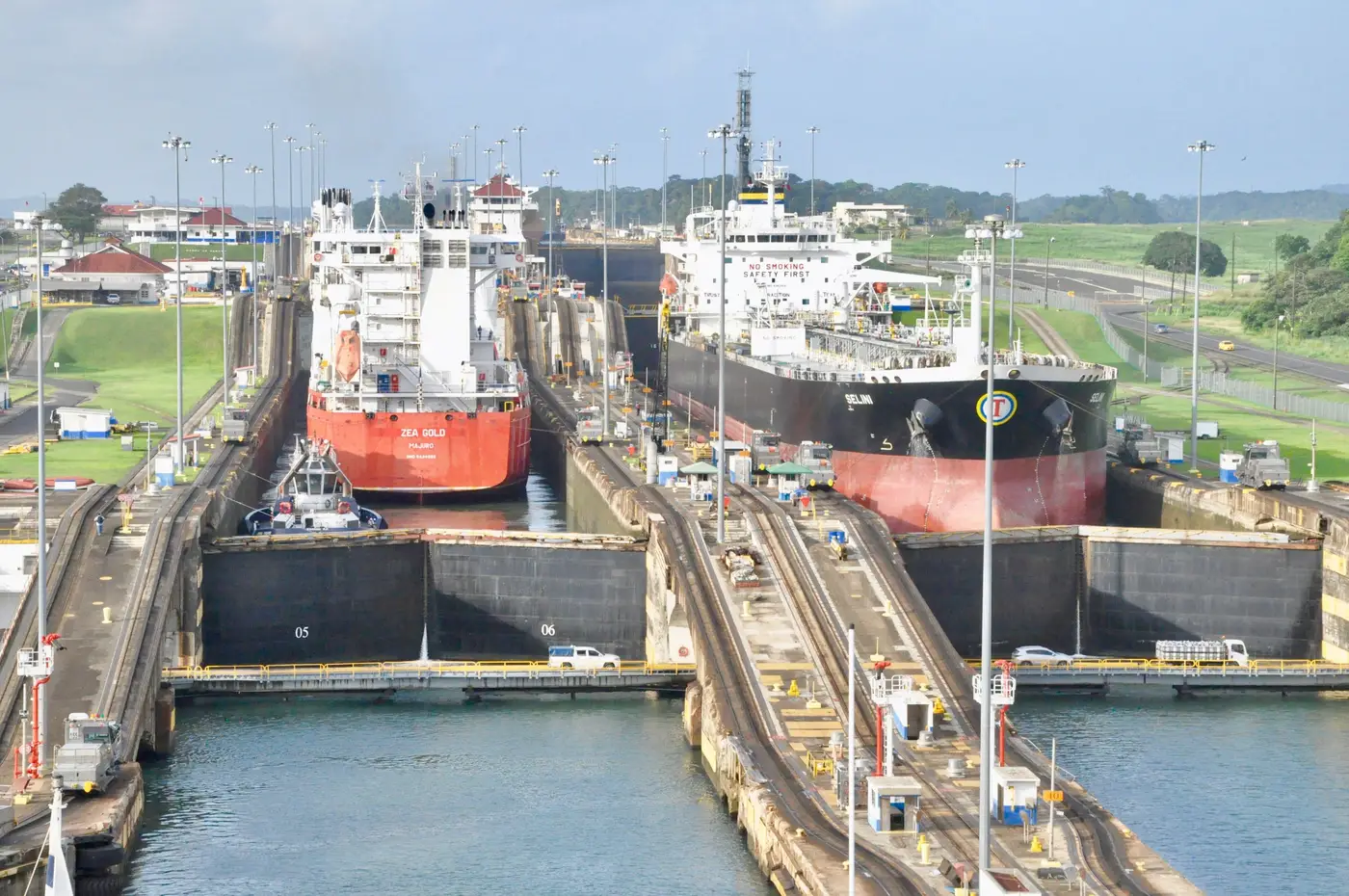
A congestion surcharge notice lands in your inbox. It cites a named chokepoint, a percentage increase, an effective date two weeks out. Your first question should not be "how much." It should be "is there actually a queue there right now."
Those two things get conflated constantly, and the confusion costs money in both directions. Pay a surcharge that reflects a real backlog and you've priced in a genuine risk. Pay one that reflects a carrier's margin repair after a slow quarter, and you've just funded someone else's rate recovery.
What a surcharge notice actually tells you
A GRI (general rate increase) or congestion surcharge announcement tells you a carrier, or a carrier alliance, has decided to charge more for moving freight through a corridor. That's the entire content of the notice. It does not tell you:
- How many vessels, trucks, or wagons are actually queued
- Whether the backlog is three days old or three weeks old
- Whether the bottleneck has already cleared since the notice went out
Surcharges are filed on a schedule that suits the carrier's commercial process, not the corridor's actual state. A notice issued in response to a two-week pileup at a strait can stay in effect long after the ships have moved through. Carriers have little incentive to rescind a surcharge the moment conditions ease, and shippers rarely have the visibility to call it out.
This is why a surcharge is a lagging, carrier-filed signal. It reflects a decision made somewhere in a rate department, informed by whatever operational data that carrier had on hand at the time, which may be a week old by the time it reaches you.
Reading the gap between the notice and the actual queue
The tell is timing. If a surcharge notice references "ongoing congestion" at a crossing or canal and you have no independent way to check the current vessel or truck count behind it, you're negotiating against a claim you can't verify. Ask three things before you accept a surcharge at face value:
When was the backlog last confirmed, and by whom? A carrier update that says "congestion continues" without a count or a date is a template sentence, not a status report.
Has the corridor cleared since the notice was filed? Chokepoints open and close fast. A canal closure or a border backup can resolve in days. A surcharge filed against last month's conditions is a stale signal dressed as a current one.
Is the surcharge corridor-wide or carrier-specific? Sometimes one carrier's terminal handling is the actual bottleneck, not the chokepoint itself. That's a different problem and a different negotiation.
None of this requires disputing the carrier's right to charge for real disruption. It requires having your own read on the corridor so the conversation starts from facts instead of from whatever the notice asserts.
Why shippers end up taking the carrier's word for it
Most trade risk teams don't have a daily, independent check on queue length at the specific canal, strait, border crossing, or rail corridor their freight runs through. They have carrier portals, which update on the carrier's schedule, and news coverage, which only picks up a chokepoint story once it's already a story. By the time a wire report mentions a backup at a crossing, the queue has often been building for days, and the surcharge notice referencing it may already be in your inbox.
A daily corridor status, Clear, Congested, or Blocked, with a vessel, truck, or wagon count behind it, lets you look at a surcharge notice and know within minutes whether it's describing something real or something stale. Trade Route Monitoring tracks a named chokepoint this way, reporting queue length and closures before any carrier confirms a delay, so the surcharge conversation starts with your own number instead of theirs.
Next time a congestion surcharge notice lands, check the queue before you check the invoice.