What is a railroad embargo, and why it backs up a whole corridor
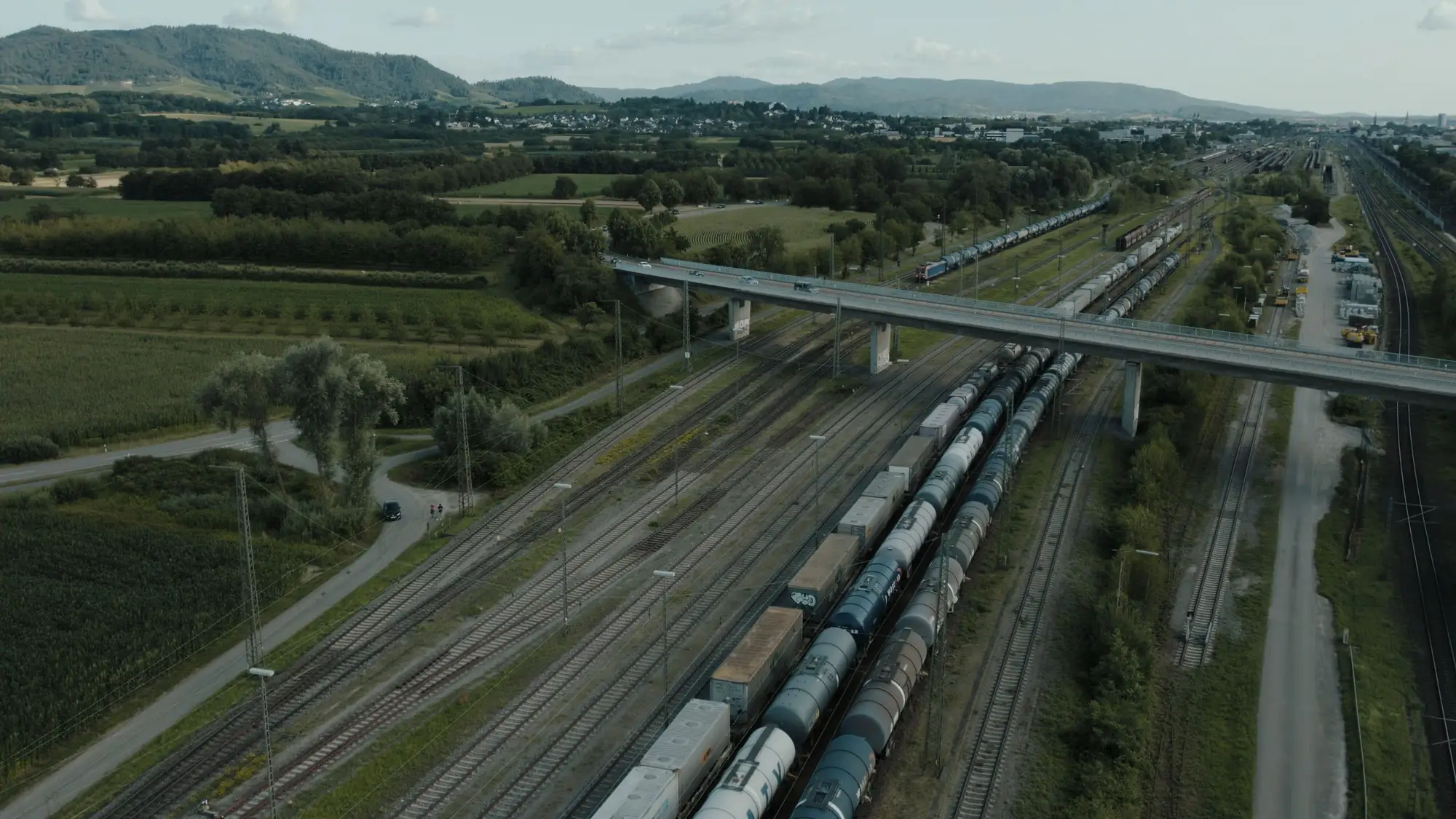
A railroad embargo is a restriction a carrier places on moving traffic into, out of, or through a specific point on its network. It is a formal notice, usually published through an AAR circular or the carrier's own bulletin system, stating that no more cars will move to a given industry track, yard, or interchange until further notice.
Carriers issue embargoes for a handful of reasons. A yard runs out of capacity to hold inbound cars. A bridge or a stretch of track fails inspection. A derailment ties up a main line. A receiving facility can't unload fast enough and asks the railroad to stop sending more until it catches up. The embargo itself is just the railroad's way of saying stop, but the backlog that caused it, or the backlog it causes, usually started well before the notice went out.
Why one embargo becomes a corridor-wide problem
Here's the part that catches shippers off guard. A railroad doesn't hold cars in place when it embargoes a destination. Cars already loaded and moving toward that point keep rolling until there's nowhere left to put them, and then they start stacking up on sidings, in staging yards, and at interchange points further back along the line. A single blocked terminal can push congestion two or three yards upstream within days, because every car that would have cleared through that point is now parked somewhere else, taking up track space that other traffic needs.
This is how a wagon backlog forms. Dozens or hundreds of cars end up scattered across sidings and yards that weren't built to hold them, each one sitting in a slot the next inbound car needs. Dwell time climbs at every yard along the corridor. Crews that would normally spend a shift building outbound trains spend it instead shuffling cars to find space for the next cut. A corridor that normally clears in a day or two can take a week or more to work through once the backlog sets in, and the embargo notice that started it all might already be a week old by the time the last of the stacked cars moves.
The lag between the notice and the queue
The practical problem for a logistics or trade risk team isn't understanding what an embargo is. It's timing. Carrier bulletins tend to lag the actual situation on the ground, sometimes by days, because the decision to embargo a point gets made after congestion has already built past a threshold, and the notice to shippers follows the internal decision. By the time you read that a terminal is embargoed, the sidings behind it may already be full and the wagons behind those sidings already backed up another two stops down the line.
That gap between the bulletin and the ground truth is exactly where shipments get stranded without warning. A broker quoting transit time off the published schedule has no way to know that a corridor three states away has been quietly filling with parked cars for four days. Neither does a trade risk desk relying on the same carrier updates everyone else is reading.
This is the gap Trade Route Monitoring is built to close: a daily read on a named corridor's status, car count behind any blockage, and whether the line is clear, congested, or shut, independent of when the carrier decides to tell you.
If your team is tired of finding out about a backlog after the bulletin instead of before it, that's worth a look.